As borders erode and arms control collapses, nuclear deterrence is losing its grip. The danger may be not just catastrophe, but normalization
By Fyodor Lukyanov
For decades, mutual deterrence among major powers provided the world with a degree of predictability, with the nuclear factor lying at the heart of this system since the middle of the last century. The great powers restrained one another and, in doing so, restrained themselves.
They understood that overly ambitious geopolitical adventures could carry unacceptable risks, thus “strategic stability” was the reassuring term given to what was, in reality, the capacity for mutual destruction. International institutions grew around this balance like mushrooms around a tree trunk, but beneath all the agreements and diplomatic language lay something much simpler: the fear of the consequences of a direct conflict between major powers. Now, however, that system is falling apart.
Many posit that the problem is precisely the loss of fear as political elites have ceased to believe that nuclear war is genuinely possible and hence the declining restraint we see in the conflict in Ukraine, in the Middle East and, potentially, in Asia.
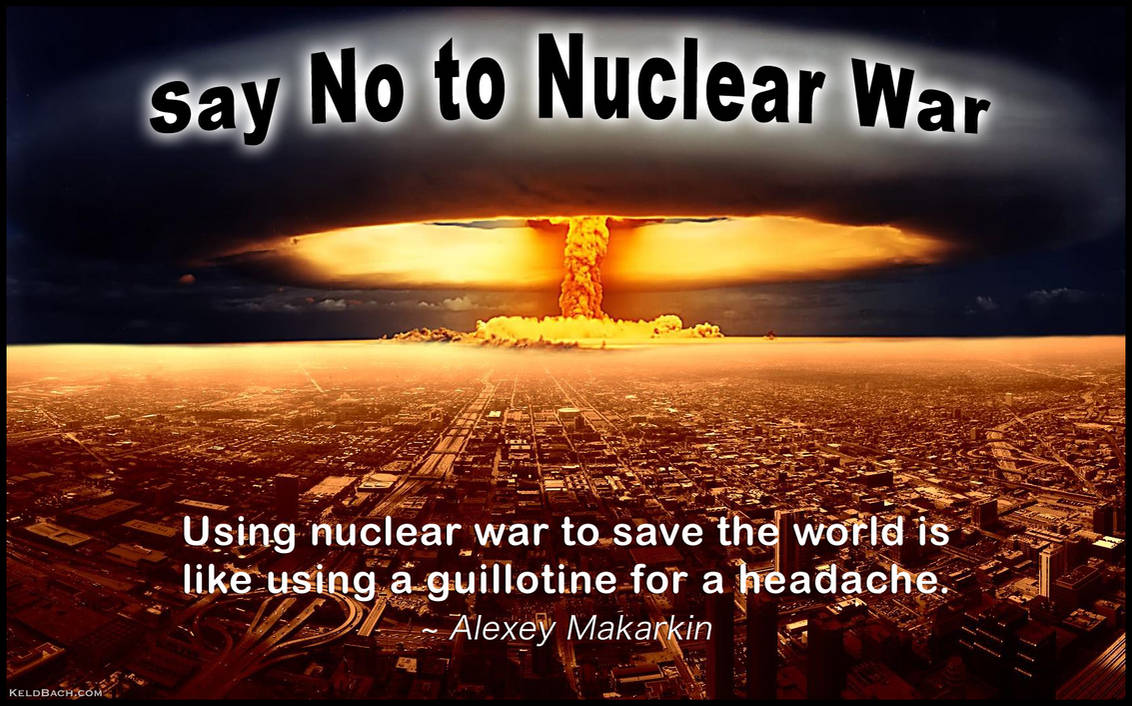
The apparent solution is therefore to remind everyone just how terrifying nuclear war would be. Restore the fear, the argument goes, and states will once again exercise restraint and become ready to negotiate new rules. There’s logic to this, but there’s also an enormous danger.
Read the full article at RT International.
Header image is courtesy of Getty Images, resized by me. See also: