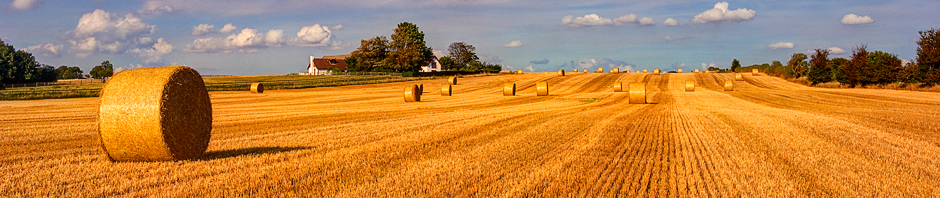
Heartland Institute Research Fellow Linnea Lueken talks about how the Earth is greening, meaning plant life is increasing – it’s one of the benefits of climate change that is often ignored or dismissed.
Short Summary:
Plant life is integral to the biosphere. Plants take CO2 in, and in the process of photosynthesis, turn it into oxygen and water vapor which is released into the atmosphere. During photosynthesis plants combine water, CO2, nutrients, and energy (light), to grow.
Liebig’s Law of the Minimum, which defines the most limiting resource in photosynthesis, says that if one of those elements increases, all other elements remaining equal, growth will occur. Carbon dioxide concentration has increased in Earth’s atmosphere over the last century, and plants have benefitted from the extra CO2, producing a general greening of the earth.
NASA satellite imagery has recorded this greening which is reflected in the Normalized Difference Vegetation Index (NDVI), created to measure the vegetative cover on the land surface. NDVI also identifies water, deserts, and ice.
In 2016, NASA reported that up to half of Earth’s vegetated lands have shown significant greening during the preceding 35 years, largely due to rising levels of atmospheric carbon dioxide. NASA measured a 10 percent greening of the earth between 2000 and 2020, alone. The greening represents a net increase in leaves on plants and trees equivalent in area to two times the size of the continental United States.
Source: Climate At A Glance. Watch also related video:
 Against the Grain